
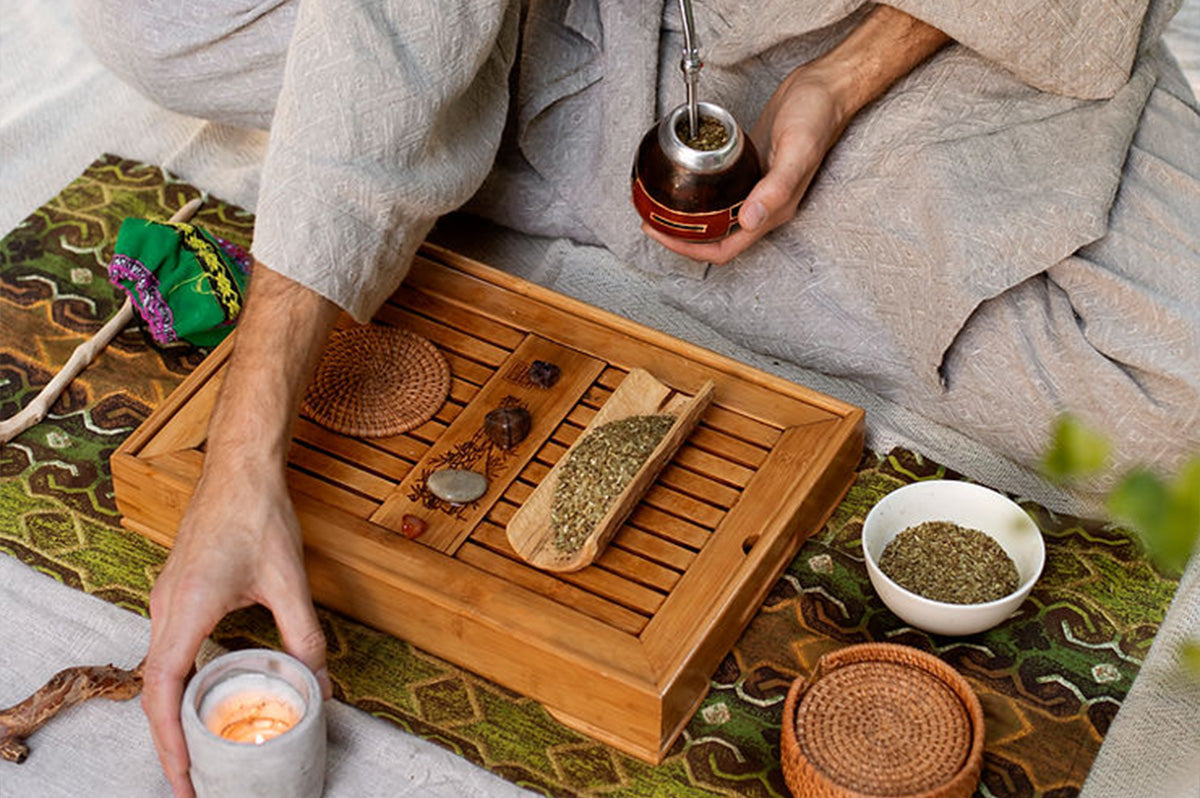
Shilajit is one of the oldest documented natural products. It has been mentioned in Ayurvedic tradition for over 3,000 years – as a so-called Rasayana substance. This article explains what that means, what is behind this classification, and how Mumio connects tradition with modern quality testing.
You can find the historical background under Shilajit History. The complete product overview is provided by the Shilajit Guide.
What is Shilajit in Ayurveda?
In Ayurveda, Shilajit is described as a Rasayana substance – a term for compounds attributed with a revitalizing effect. The oldest records date back to the Charaka Samhita (approx. 1,000 BC). Historically, Shilajit was not classified as a medicine but as a natural supplement that provides the body with minerals.
The natural resin comes from the high mountain regions of the Himalayas and naturally contains manganese, which contributes to normal energy metabolism and protects cells from oxidative stress.
Rasayana – the meaning of the term
In Ayurvedic systematics, Rasayana is not a clearly defined medical term, but a philosophical category. Rasayana refers to substances and practices that:
- are intended to support general well-being
- are intended to promote vitality and life energy
- are part of a balanced lifestyle
Shilajit is mentioned in this context – not as a therapeutic, but as part of a holistic lifestyle. This distinction is important: Mumio also makes no healing claims. The proven benefit lies in the natural manganese content of the resin, which is recognized according to EFSA standards.
The Dosha Balance – Philosophical Tradition, Not Medicine
A central principle of Ayurveda is the concept of Doshas: Vata, Pitta, and Kapha. These three fundamental energies should be in balance for the body to function vitally and harmoniously.
Shilajit is mentioned in Ayurvedic literature as a substance that is said to help maintain this balance. This description is philosophically and culturally influenced – it is not related to Western medicine and does not constitute healing claims.
In modern usage, Shilajit is therefore to be classified as a dietary supplement, not as a medicine. What counts is its verifiable composition and independent quality testing.
From Ayurvedic Tradition to Swiss Quality Control
What has endured for over 3,000 years is the idea of using Shilajit as a natural product – not as a medicine, but as a mineral-rich supplement.
What has changed: Quality testing is now measurable. Mumio combines:
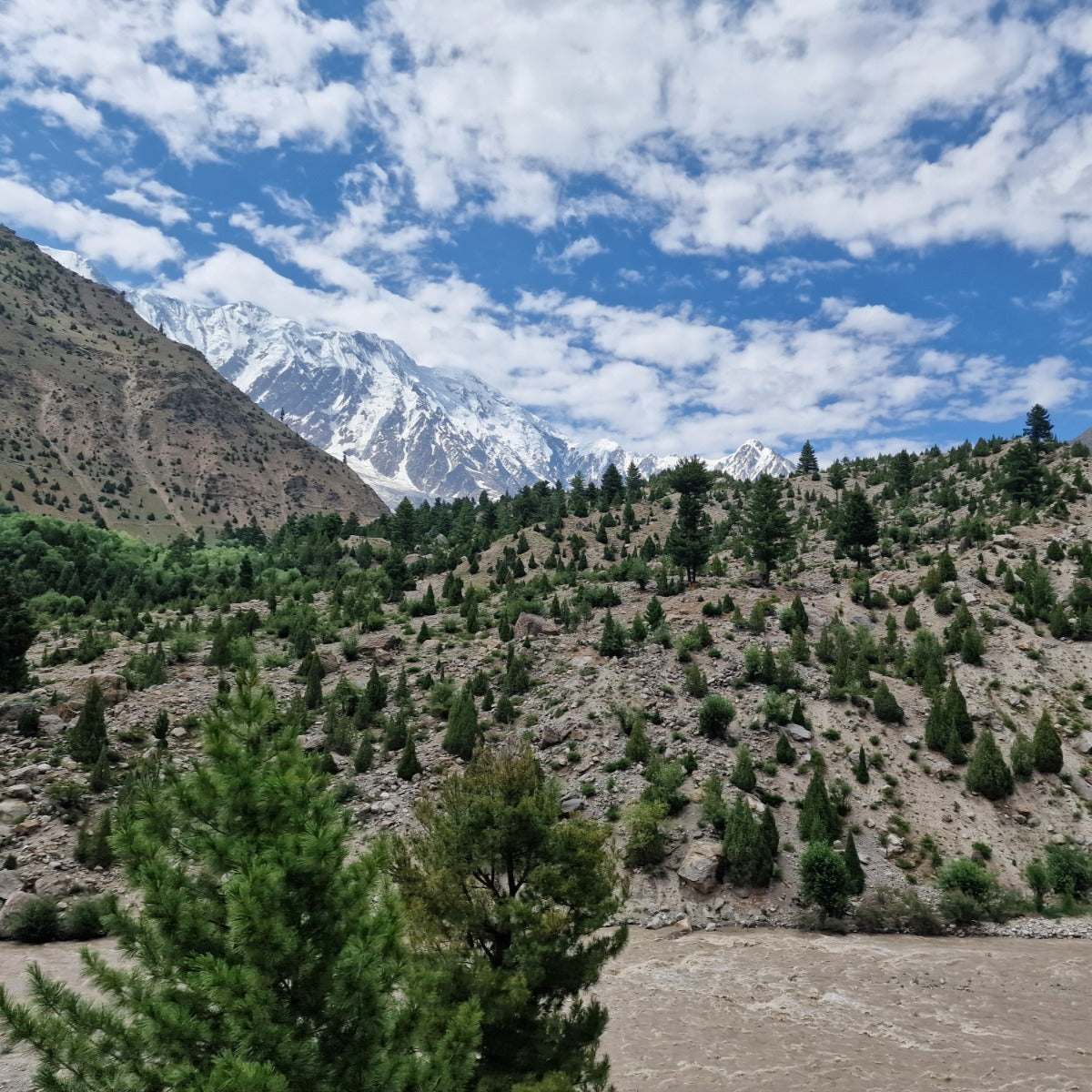
- Origin: directly from Gilgit-Baltistan, Astore Valley – the classic region of origin for high-quality Shilajit
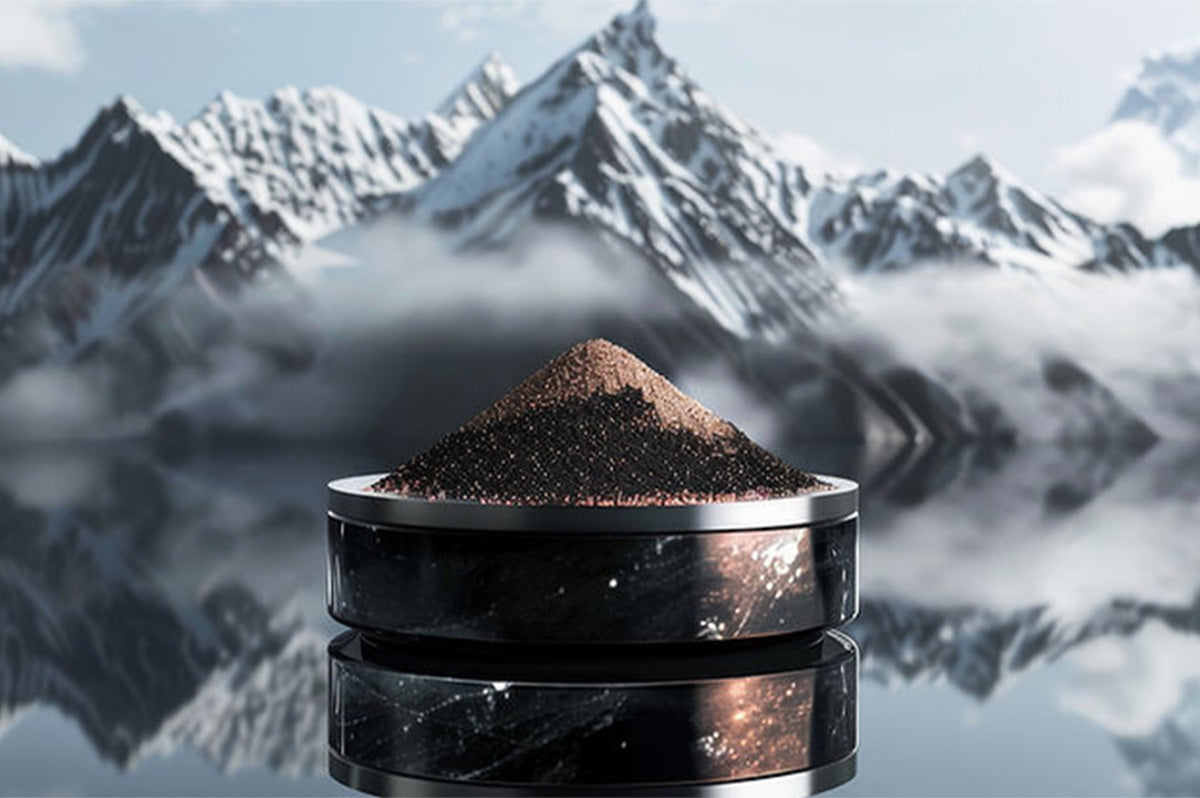
- Naturalness: no extract, no powder, no additives
- Modern control: laboratory testing by Biolytix AG in Switzerland for each batch
This is the contemporary equivalent of the Ayurvedic principle: a natural product whose origin is known and whose quality is verifiable.
What connects science and tradition
Ayurvedic tradition and modern science are not opposites – they operate on different levels.
Tradition describes applications passed down over millennia. Modern research analyzes the chemical composition of the resin. What connects both: the focus on manganese.
Manganese has been shown to contribute to normal energy metabolism and protect cells from oxidative stress – a statement approved by the European Food Safety Authority (EFSA). This refers to the natural manganese content in Shilajit, confirmed by laboratory testing from Biolytix AG.
What research says about further properties of Shilajit is still in its early stages. Mumio adheres to what is proven – and makes no promises beyond that.
Frequently Asked Questions – Shilajit Ayurveda
What is Rasayana in Ayurveda?
Rasayana is a philosophical category in Ayurveda for substances and practices intended to promote vitality and well-being. It is not a medical term in the Western sense. Shilajit is described as a Rasayana in this context.
Is Shilajit used in modern medicine?
No. Shilajit is not a medicine and is not used medically. It is classified as a dietary supplement. Research into ingredients like manganese is established; further studies are ongoing but not yet complete.
What does Mumio Shilajit have to do with Ayurvedic tradition?
Mumio uses the traditional source – Gilgit-Baltistan, Astore Valley – and combines it with modern Swiss quality control. Tradition provides the origin, Biolytix AG provides objective quality confirmation.
Is Shilajit a medicine?
No. Shilajit is approved as a food supplement in Switzerland – not as a medicine. Health claims are not legally permissible and are not made by Mumio.
Conclusion
Shilajit has a documented place in Ayurvedic tradition as a Rasayana substance. What was described then with traditional experiential knowledge is now concretely measurable through laboratory analyses. Mumio combines this tradition with Swiss quality control – without healing claims, but with a proven mineral composition.
If you are looking for natural, lab-tested Shilajit from the region of its Ayurvedic tradition: Buy Shilajit Switzerland.

Leave a comment
This site is protected by hCaptcha and the hCaptcha Privacy Policy and Terms of Service apply.