
Der grosse Shilajit / Mumijo Guide – Schweiz
Starte hier, wenn du Shilajit in der Schweiz vergleichen möchtest: Herkunft, Harzform, Laborprüfung, Dosierung und die wichtigsten Qualitätsmerkmale von echtem Mumijo – kompakt gebündelt und ohne übertriebene Versprechen.
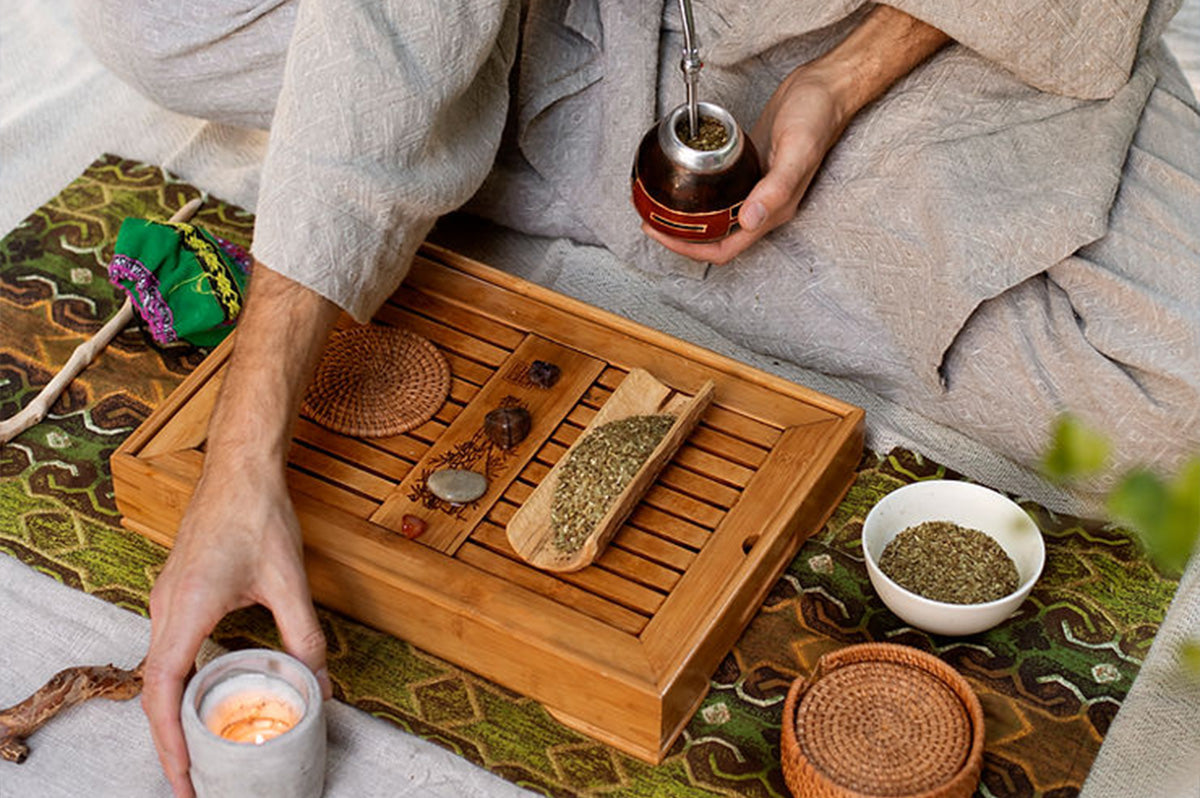
Shilajit Ayurveda – Rasayana Tradition and Modern Quality Perspective
Shilajit has been part of Ayurvedic tradition for over 3,000 years. What Rasayana means, what science proves, and what this means for Mumio.
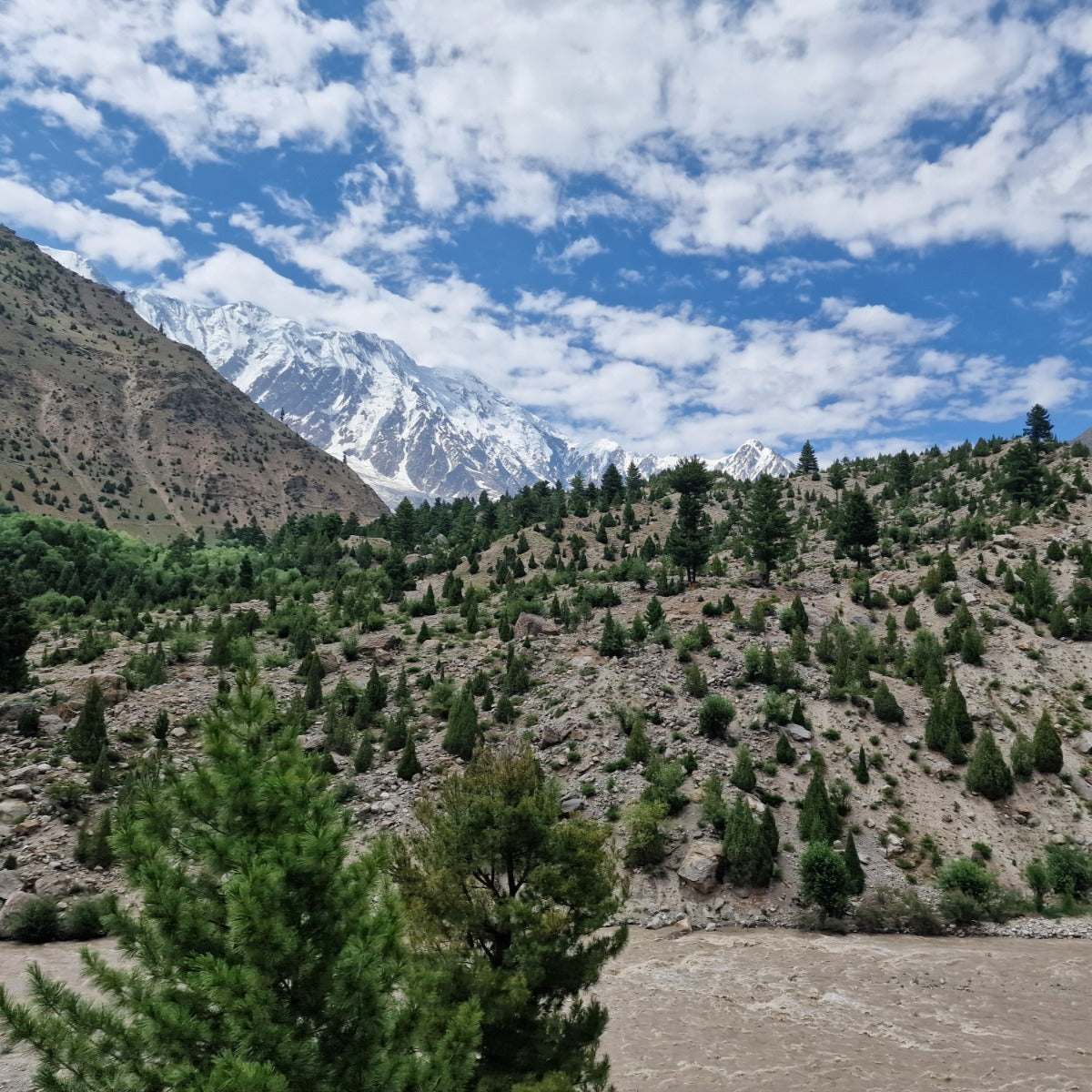
Shilajit History - Origin in High Mountains and Ayurvedic Tradition
Shilajit forms over centuries in high mountain regions such as Gilgit-Baltistan. What the history of this natural resin reveals about its origin and quality.
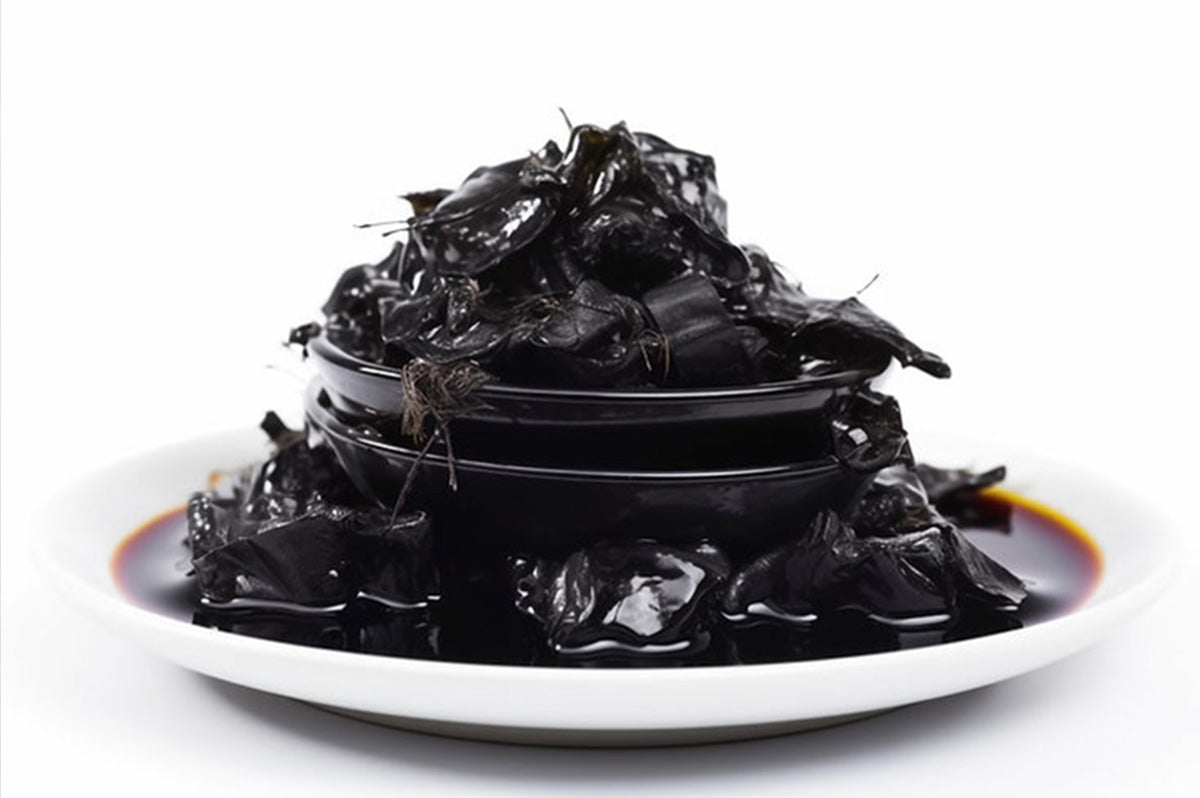
Shilajit Processing – From Rock Crevice to Natural Resin
Shilajit is hand-harvested, gently cleaned, and processed without extraction. We explain what this means and why it determines quality.
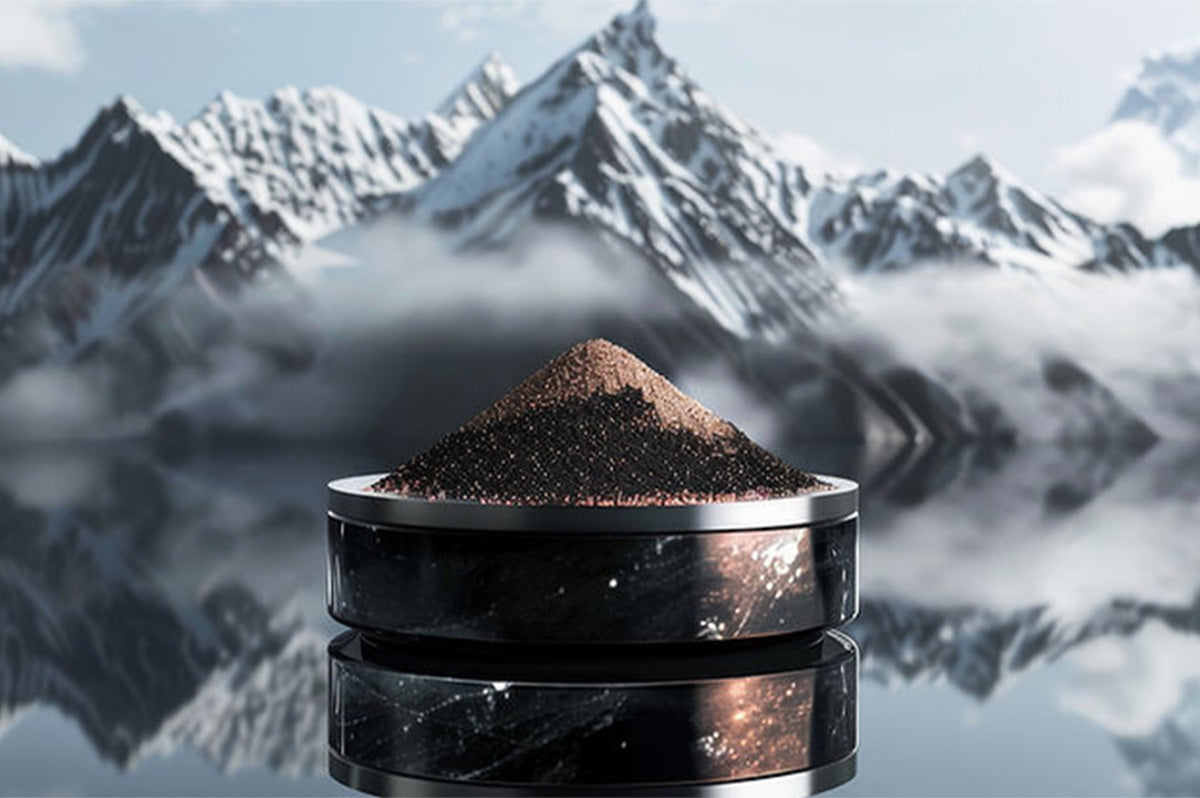
Mumio Shilajit – Direct Sourcing, Tested Quality, No Intermediaries
Mumio Shilajit combines Himalayan tradition with Swiss quality. Each batch is laboratory tested for purity, authenticity, and natural manganese content. A pure, unadulterated resin for those who va...
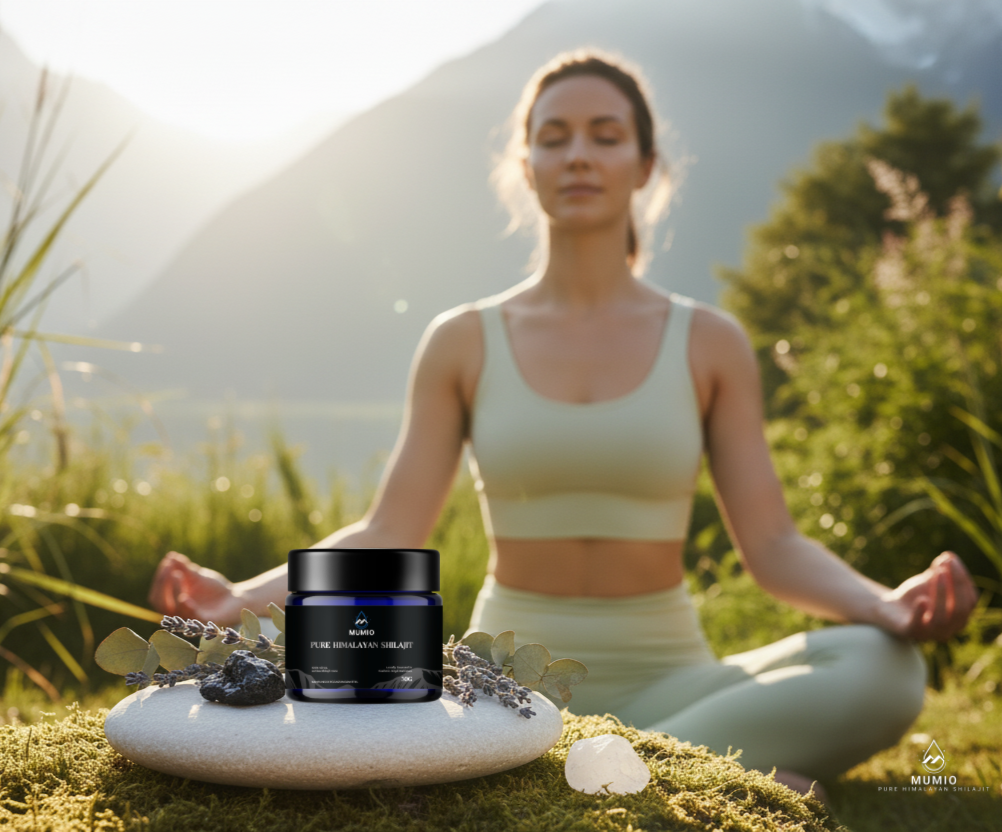
Shilajit for Women – Mumijo as a Natural Mineral Supplement
Shilajit for Women: Mumio offers natural Mumijo resin – no capsules, no additives, tested by Biolytix AG. What the manganese content means.
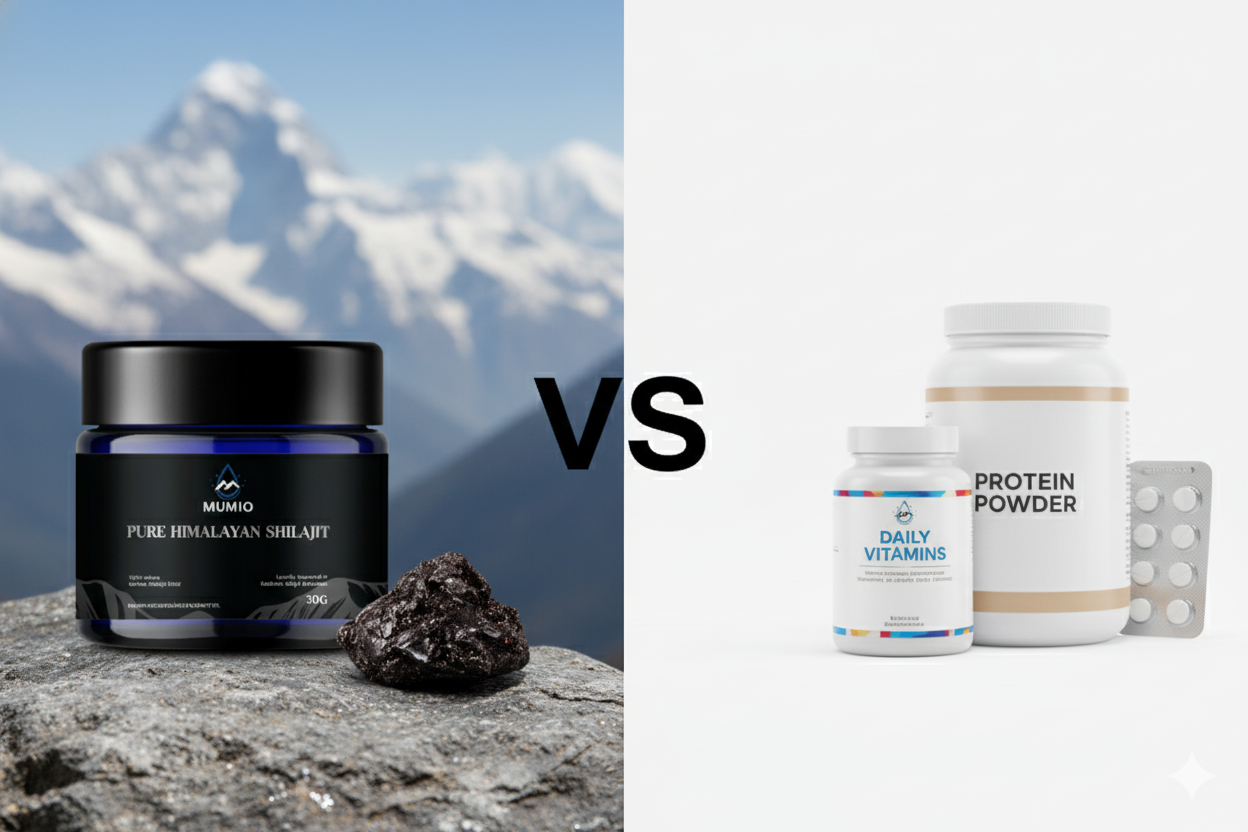
Shilajit vs. Other Supplements – What Makes the Difference
Shilajit is not an isolate, but a naturally grown mineral resin. What sets it apart from conventional supplements – straight to the point.
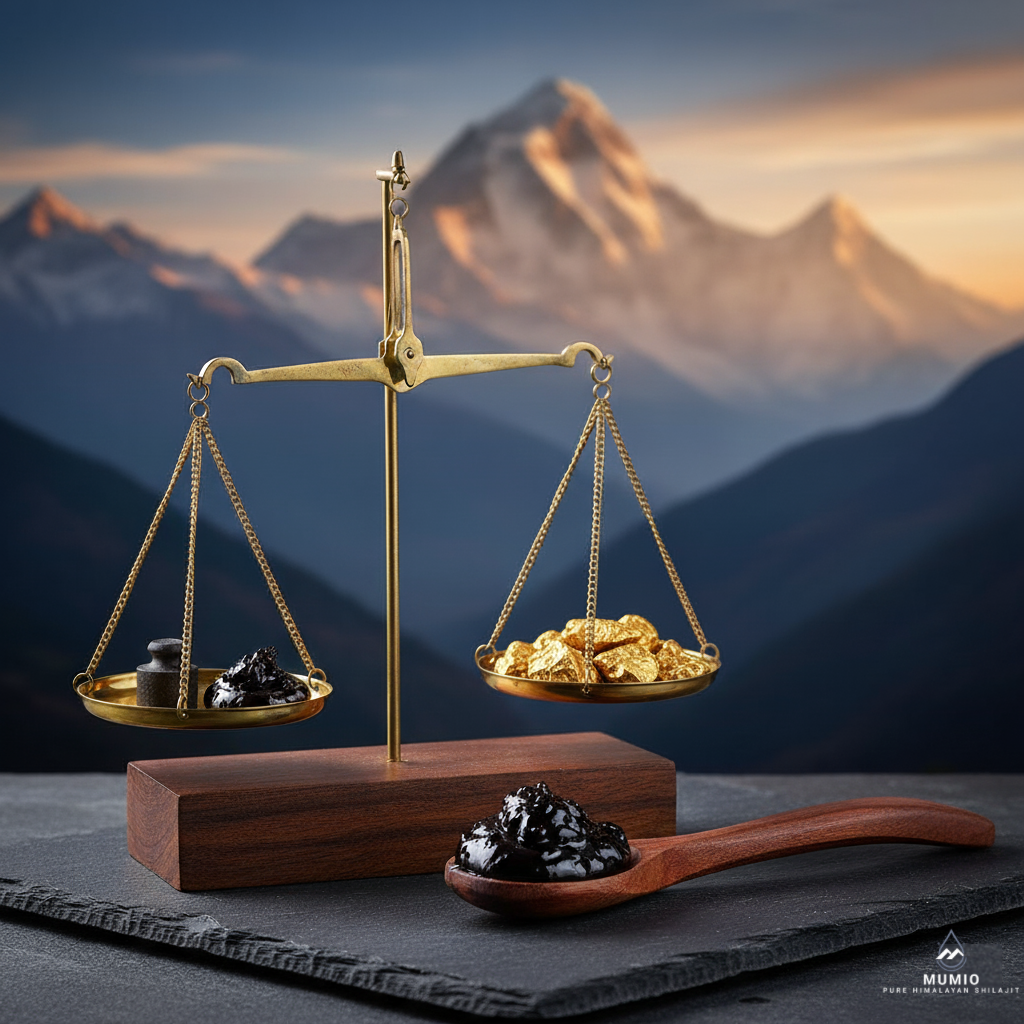
Shilajit Dosage – How Much Mumijo Makes Sense Daily
Shilajit Dosage: A daily amount of approx. 300-500 mg is considered an established daily dose. Clearly explained: how to start, portion, and use it.
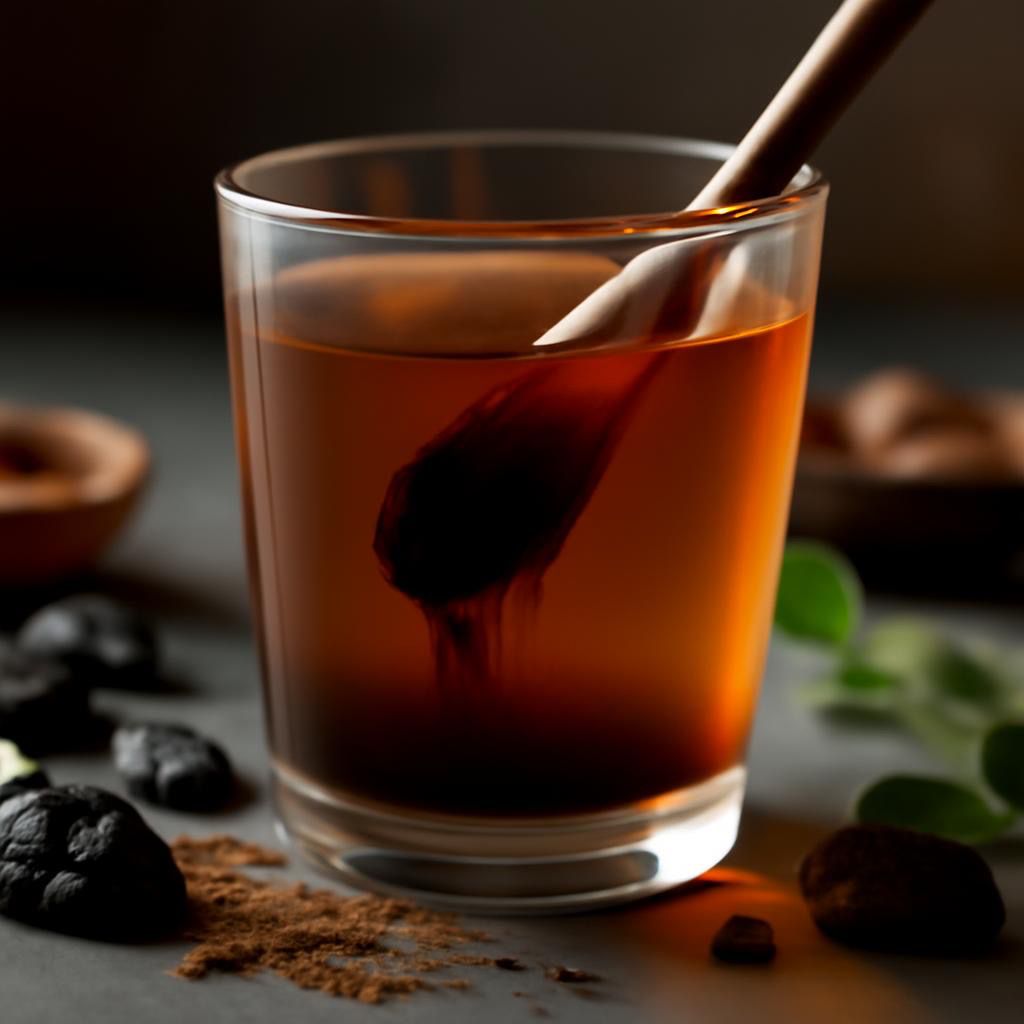
Shilajit Resin – why Mumiyo is exclusively available in this form
Shilajit resin is the most original form. Mumio exclusively offers resin – no powder, no capsules, no extract. This is why it is the highest quality choice.
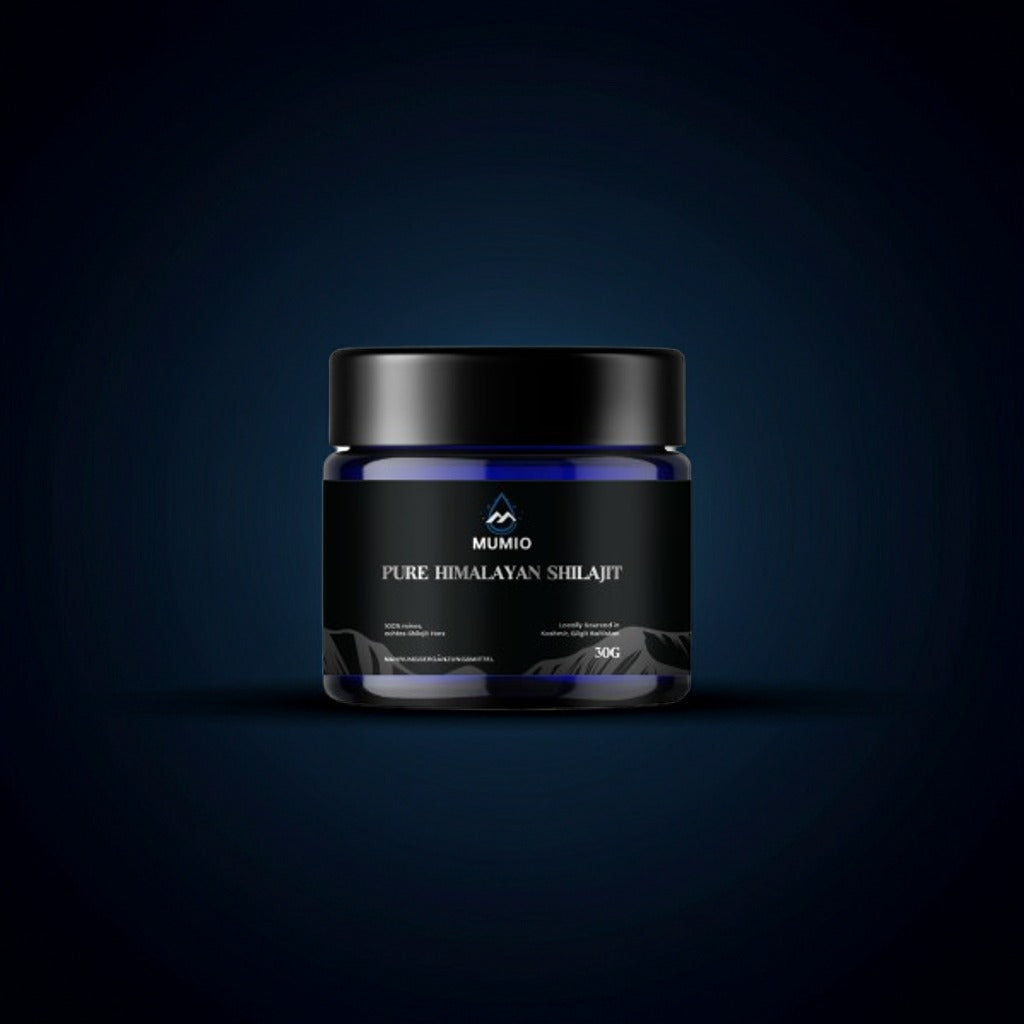
Storing Shilajit - How to Keep Mumijo Fresh and Potent for a Long Time
Storing Shilajit: airtight, cool, dark – not in the refrigerator. How to properly store Mumijo resin and what ensures its long-term quality.