

Anyone who explores this special natural substance quickly encounters two terms: Shilajit and Mumijo. Both essentially refer to the same substance, but differ in their linguistic origins, cultural context, and regional use.
The term "shilajit" comes from Sanskrit, one of the oldest Indo-European languages, and is used primarily in the Indian cultural area, as well as in Nepal and Bhutan. Historical texts mention shilajit centuries ago, often in connection with the high mountain regions of the Himalayas.
"Mumijo," on the other hand, originates from the languages of Central Asia and Russia. This name is widespread in countries such as Kazakhstan, Kyrgyzstan, and Russia. Here, too, the term is associated with high mountain regions, particularly the Altai Mountains and parts of the Pamirs.
Despite these different names, it is always a naturally occurring resinous substance that forms in rock crevices and layers – a process that can take decades or even centuries.
In German-speaking countries, the terms Shilajit and Mumijo are often used synonymously. Some manufacturers even use both names simultaneously to appeal to a broader target audience.
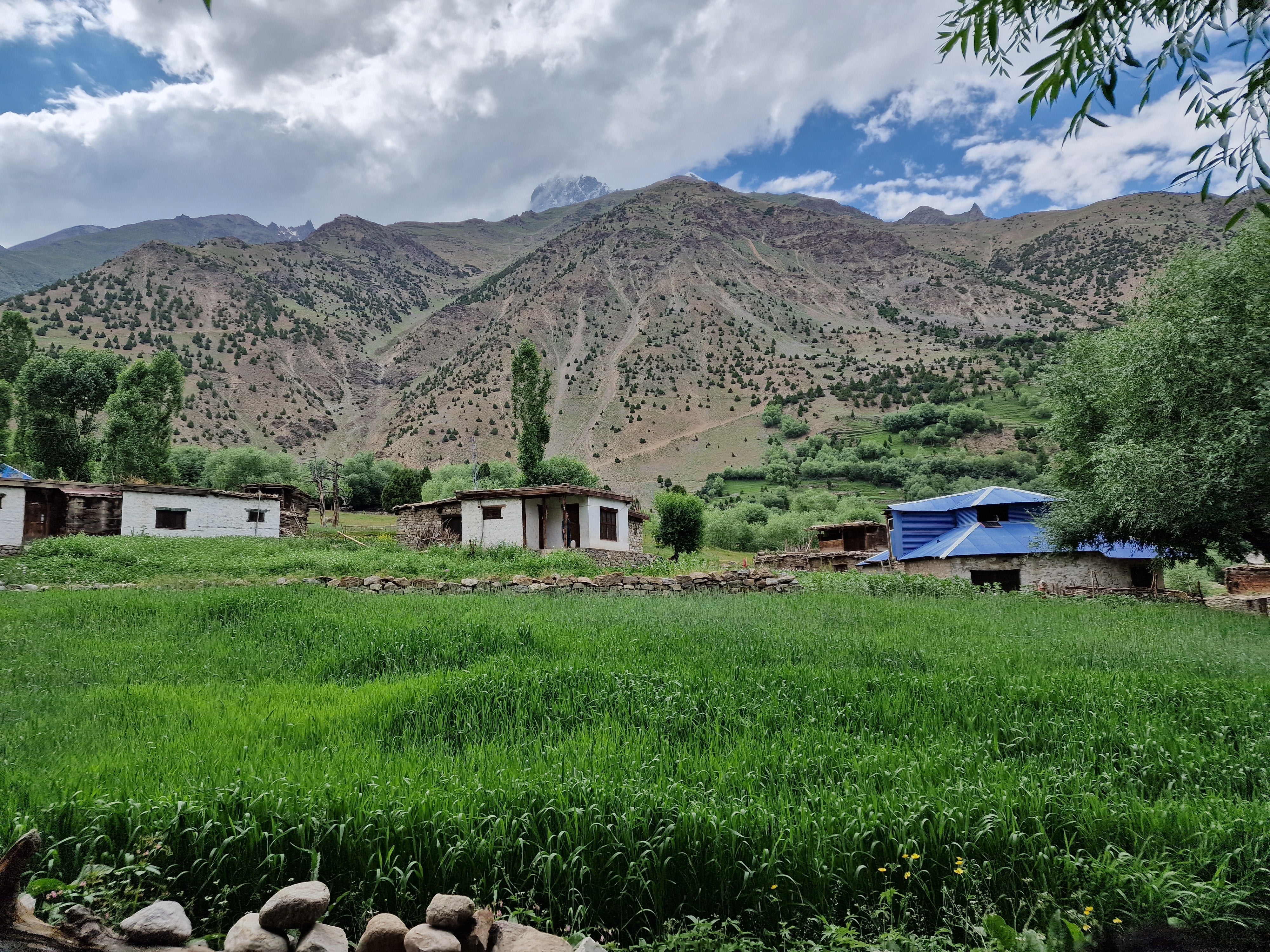
At Mumio, we place great importance on origin, authenticity, and quality – regardless of whether you call it shilajit or mumijo. Our product comes from Gilgit-Baltistan, a region known for its particularly pure and natural resin.

Leave a comment
This site is protected by hCaptcha and the hCaptcha Privacy Policy and Terms of Service apply.