
The origin of shilajit is not a marketing argument – it is the most important quality factor of all. Where the resin is formed, under what geological conditions, and how it is collected directly determines the composition of the final product.
Mumio sources its shilajit from the Astore Valley in Gilgit-Baltistan, Pakistan. This connection is not accidental and did not come about through a wholesaler. You can find more information in the Shilajit Guide.
Why Gilgit-Baltistan is crucial for Shilajit
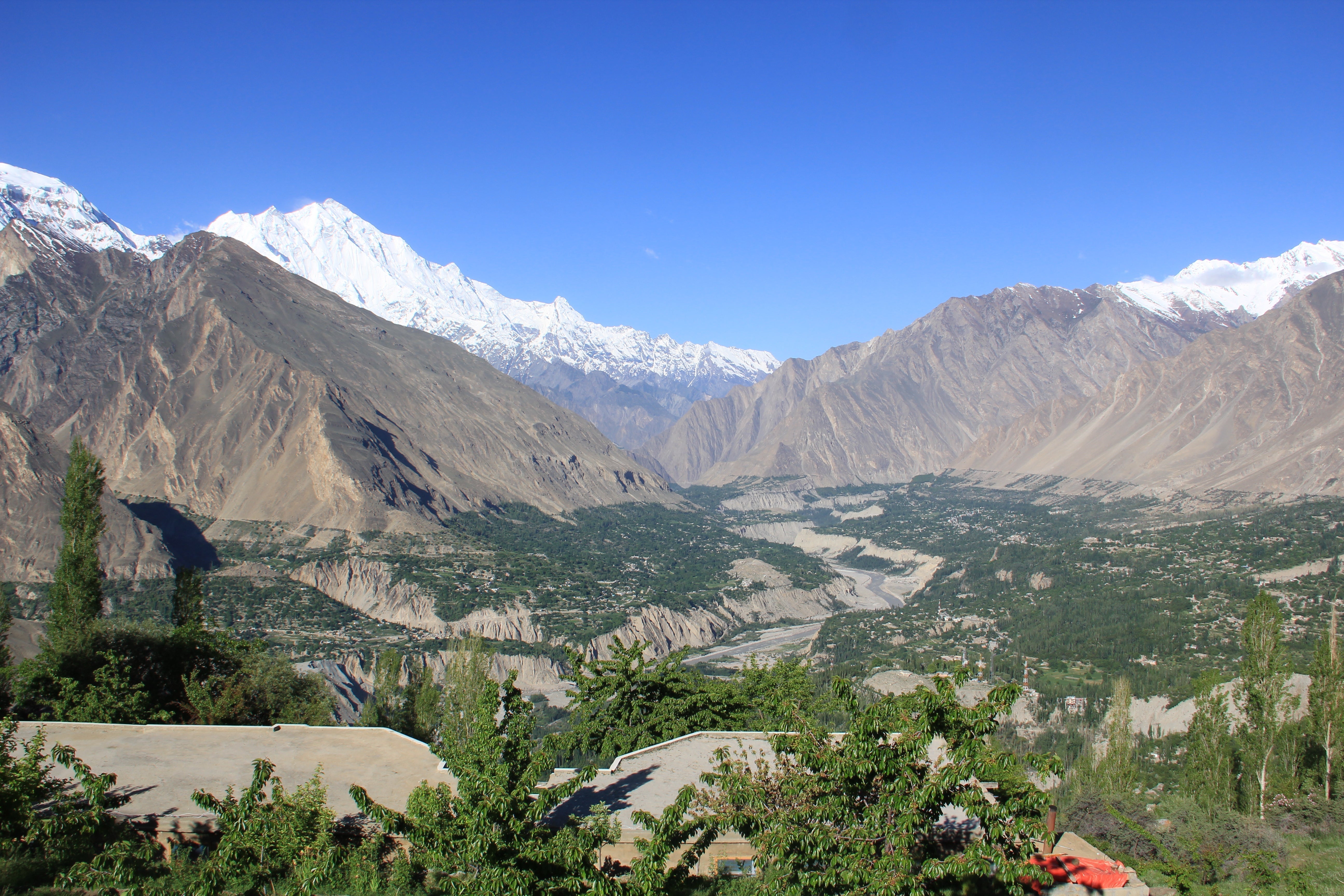
Gilgit-Baltistan in northern Pakistan is considered one of the most renowned regions for shilajit worldwide. At the intersection of the Himalayas, Karakoram, and Hindu Kush, at altitudes above 5,000 meters, natural conditions are created under which shilajit matures in rock crevices over centuries. The remoteness of the region minimizes industrial influences and ensures a high-quality raw material.
Geology and climatic conditions above 5,000 meters
The region is geologically unique: mineral-rich rock layers, strong seasonal temperature fluctuations, and crystal-clear glacier water create conditions under which plant and microbial residues mineralize over very long periods. The result is the natural resin shilajit.
Altitude, rock type, and vegetation cover directly influence the mineral content of the developing resin. Not every high mountain range provides the same quality – the specific conditions in Gilgit-Baltistan are a crucial factor.
Untouched region without industrial pollution
Gilgit-Baltistan is largely free of industrial infrastructure. No large farms, no mining industry in the immediate vicinity of the deposits, no road networks leading into the remote collection areas. This isolation has a direct impact on the purity of the extracted resin.
The Astore Valley – Mumio's direct source
Wasseem Wazir and the personal connection
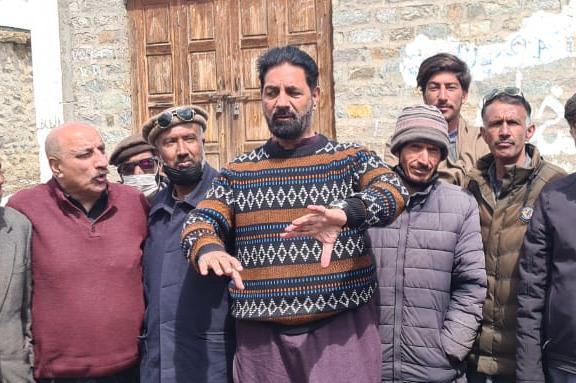
Wasseem Wazi, one of the two Mumio founders, comes from the Astore Valley in Gilgit-Baltistan. He grew up there. He knows the local collector families personally – not from a catalog, but through direct, long-standing relationships.
This personal connection is why Mumio doesn't need a wholesaler. Wasseem coordinates the procurement directly. This means: no anonymous supply chain, no loss of quality due to unnecessary trade stages.
This is not dropshipping. This is a direct connection to the source.
Direct procurement without intermediaries
Mumio deliberately avoids intermediaries. The supply chain is short:
- Collection by selected collector families in the Astore Valley
- Gentle cleaning using traditional methods
- Transport to Switzerland
- Independent laboratory testing by Biolytix AG
- Bottling and shipping
Every stage is documented. Every batch is traceable – right back to the origin region in the Astore Valley.
Traditional collection – how the resin is obtained
Shilajit naturally oozes from rock crevices at warmer temperatures. Collection is exclusively done by hand by experienced collector families. Mechanical extraction is neither possible nor sensible – it would damage the delicate deposits.
Knowledge of deposits, seasonal collection cycles, and gentle extraction techniques is passed down through generations within families. This experience cannot be bought or copied.
After collection, the crude resin is purified in a multi-stage, gentle process. The goal is to remove foreign particles such as sand and plant residues without altering the natural composition. No aggressive chemicals, no high temperatures, no synthetic enrichment.
From Gilgit-Baltistan to Switzerland – the journey of each batch
After purification, Mumio Shilajit begins its journey to Switzerland. Before release, each batch is independently tested by Biolytix AG in Switzerland. Parameters tested:
- Heavy metals (lead, cadmium, arsenic, mercury)
- Microbiological purity
- Mineral profile including manganese content
- Moisture content
Only batches that meet all parameters are bottled and shipped. The test reports are batch-specific and dated.
Details on quality testing: Swiss Lab Testing.
Frequently Asked Questions about Shilajit from Gilgit-Baltistan
Why is Gilgit-Baltistan considered a particularly good region of origin?
The region lies at the intersection of the Himalayas, Karakoram, and Hindu Kush – at altitudes above 5,000 meters. Mineral-rich rock layers, extreme temperature fluctuations, and the extensive absence of industrial pollution create optimal conditions for the natural formation of shilajit.
What is the Astore Valley?
The Astore Valley is a remote mountain valley in Gilgit-Baltistan, Pakistan. It is located in the sphere of influence of the Himalayas at an altitude between 2,500 and over 4,000 meters. Mumio co-founder Wasseem Wazi comes from this region – hence the direct, personal connection to the collector families.
How is the origin documented?
Each batch of Mumio is provided with a batch number that allows full traceability back to the region of origin. In addition, dated laboratory reports from Biolytix AG are available for each delivery.
Is there a difference to shilajit from other regions?
The composition of shilajit varies depending on the region of origin, altitude, and geological conditions. Gilgit-Baltistan is considered one of the highest quality regions of origin worldwide due to its specific mineral rock structure and the remoteness of the deposits.
Conclusion
Shilajit from Gilgit-Baltistan – specifically from the Astore Valley – is not a geographical marketing claim. It is the direct, documented origin of Mumio Shilajit. In combination with the Swiss laboratory testing by Biolytix AG, a product with seamless transparency is created: from the rock crevice in the high mountains to the jar.
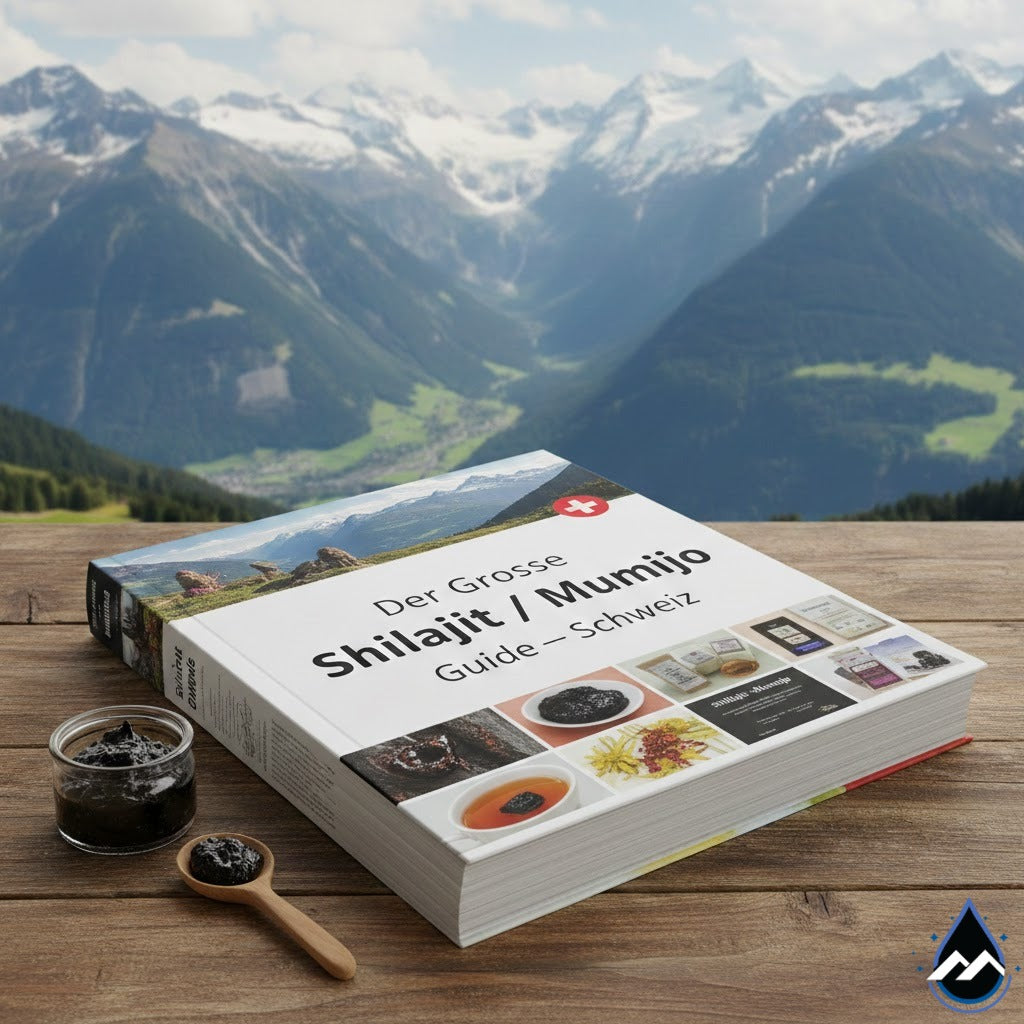
If you are looking for shilajit with a genuine, verifiable origin: Buy Shilajit Switzerland.

Leave a comment
This site is protected by hCaptcha and the hCaptcha Privacy Policy and Terms of Service apply.